By Ammo Pro - 2024-06-10
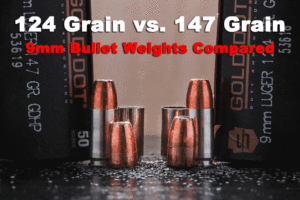
If you’ve ever found yourself debating between 124 grain and 147 grain 9mm ammo, you’re not alone. Both bullet weights have their die-hard fans, and each brings something a little different to the table when it comes to ballistics, recoil, and self-defense performance. Whether you’re gearing up for range time, prepping for personal protection, or just love geeking out on gun gear, understanding these differences will help you pick the perfect load for your 9mm.
The Basics: What’s the Difference Between 124 and 147 Grain Bullets?
First off, the “grain” in ammo lingo refers to the weight of the bullet itself—124 grains means it’s lighter than the 147 grain option. This difference in weight affects how the bullet behaves. The 124 grain bullet typically travels faster with a flatter trajectory, while the 147 grain slug tends to hit a bit slower but packs more punch and momentum.
Ballistics Breakdown: Speed, Trajectory, and Energy
When you’re shooting 124 grain 9mm, expect muzzle velocities around 1,150 to 1,200 feet per second (fps), making it a speedy little bullet. This translates to less bullet drop over distance, which is great for target shooting and quick follow-up shots. On the flip side, the 147 grain bullet cruises at closer to 1,000 to 1,050 fps, delivering more energy on impact thanks to its heavier weight.
Recoil and Shootability: What Feels Better?
Recoil is a big factor